ensuring compliance, safety

Statutory Signage for Safety and Compliance

Statutory signage is about more than just ticking regulatory boxes—it’s a crucial element in workplace safety, accessibility, and legal compliance. Whether for construction sites, hospitals, factories, or retail spaces, these signs ensure critical information is visible, clear, and meets Australian standards. From fire exit markers to hazard warnings, Outsource Resource streamlines the process, handling design, material sourcing, council approvals, and installation so businesses can focus on operations without the risk of fines or compliance issues.

Tailored Statutory Signage Solutions

Statutory SIgnage
Statutory SIgnage Fire Door Sign and Lines WA

What We Deliver

Let’s get started

Whether you’re looking for a signage solution or a way to expand your business through our partnership network, we’re here to help. Contact us today and let Outsource Resource show you a new, smarter and more efficient way to do signage.

icon
Get in Touch

Frequently Asked Questions

Statutory signage refers to legally required signs that support safety, accessibility, and regulatory compliance within a building. These signs communicate essential information to occupants and visitors, helping ensure environments remain safe, clearly navigable, and prepared for emergencies.

Common examples of statutory signage include fire exit signs, emergency egress routes, accessibility indicators, warning notices, and other safety-related messaging mandated for commercial and public buildings. Each sign must meet defined requirements covering aspects such as size, colour, visibility, placement, and legibility to support approval processes.

Because these obligations form part of broader building compliance, accurate specification is critical. Incorrect or missing statutory signage can lead to inspection delays and may prevent final certification.

We help identify the statutory signage required for your project, coordinate appropriate solutions through experienced manufacturing partners, and ensure signage is specified correctly. This structured approach helps simplify compliance while supporting a smooth path toward building approval and occupancy.
Statutory signage is critical because it is a mandatory requirement for building approval and safe occupation. Certifiers assess statutory signage closely, as it plays a direct role in protecting occupants and ensuring a building can be legally opened and used.

Beyond compliance, statutory signage performs an essential safety function. In emergency situations such as fire or evacuation, clear exit signage and directional markers help people move quickly and safely, even in low-visibility or high-stress conditions. Warning and hazard signs also reduce the risk of accidents by clearly identifying potential dangers before incidents occur.

Incorrect, missing, or non-compliant statutory signage can result in failed inspections, delayed occupancy certificates, and costly rework. In some cases, these issues can lead to significant project delays or penalties that far exceed the cost of installing compliant signage from the outset.

By addressing statutory signage requirements early and ensuring accuracy throughout design and installation, projects can progress more smoothly while supporting safe, accessible, and compliant building environments.
Statutory signage requirements vary depending on building type, use, and layout, but several categories are commonly required across most commercial and public environments.

Fire and life safety signage is typically the largest category. This includes illuminated exit signs, fire door identification and instruction signage, fire extinguisher and hose reel markers, and emergency equipment location signs. Fire door signage, in particular, must meet strict wording, placement, and visibility requirements to pass inspection.

Evacuation and egress signage is also essential. These signs guide occupants toward exits and designated assembly points, supporting safe movement during emergencies. Clear, consistent placement is critical to ensure signage remains effective in high-stress or low-visibility situations.

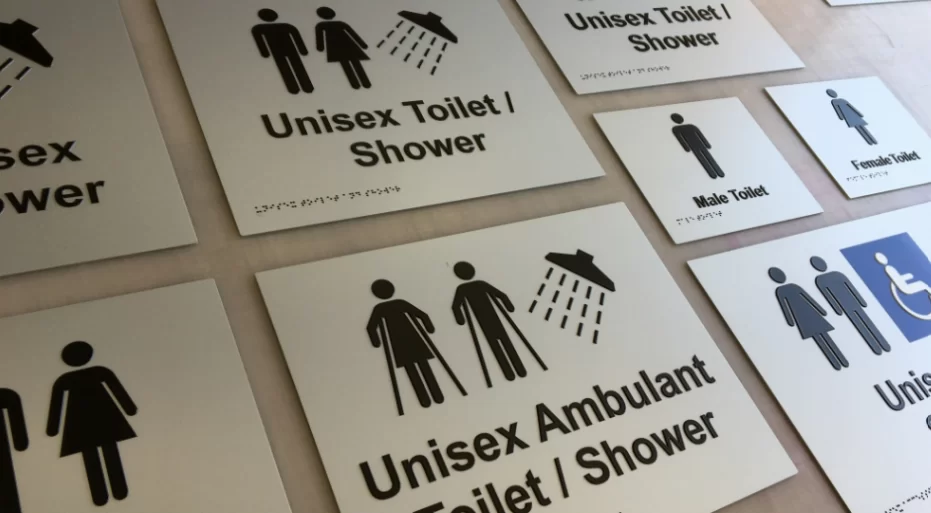
Accessibility signage is commonly required in public buildings and includes indicators for accessible parking spaces, toilets, lifts, and entrances. Tactile and braille signage is often required at key locations such as lift controls, accessible amenities, and primary doorways to support inclusive access.

Workplace health and safety signage depends on how the building is used. Office environments may require basic safety and electrical signage, while industrial or operational facilities often require additional hazard warnings, equipment identification signs, chemical storage notices, and restricted access indicators.

To manage these requirements, we review building plans and coordinate a complete statutory signage schedule. This structured approach helps ensure all required signage is identified early, correctly specified, and installed without omissions that could delay approvals or occupancy.
Yes. We regularly carry out signage audits to identify compliance gaps, outdated signage, and opportunities to improve safety, accessibility, and wayfinding across existing buildings.

A site audit typically involves a walkthrough assessment against current statutory and accessibility requirements, reviewing what signage is present, what is missing, and what may no longer meet current standards. This is particularly valuable for older buildings, refurbished sites, or facilities preparing for inspections, upgrades, or changes in use.

Following the audit, we provide a clear, prioritised set of recommendations. This outlines which signage items require immediate attention for compliance, and which can be addressed as part of planned maintenance or future works.

Audits are supported by a detailed report, often including photographs and marked-up locations to clearly show where signage should be installed or updated. Material and specification recommendations are also provided, taking into account the building environment, usage, and budget considerations. This structured approach helps simplify decision-making and supports efficient planning for remediation or upgrades.
Yes. We regularly deliver signage solutions for industrial, commercial, and public-sector environments, where compliance, durability, and operational awareness are critical.

Industrial sites such as manufacturing facilities, warehouses, construction sites, and logistics hubs often require specialised statutory and safety signage. These environments demand materials and installation methods that can withstand heavy use, harsh conditions, and strict regulatory oversight. Our experience in these settings ensures signage is fit for purpose and compliant with site-specific requirements.

Public spaces including schools, hospitals, healthcare facilities, and government buildings introduce additional considerations around accessibility, safety, and minimising disruption. Installations in these environments are carefully planned to align with operational schedules and maintain safe access for staff, visitors, and the public.

We manage projects ranging from small office fit-outs through to large-scale industrial and public facilities. By understanding the unique demands of each environment and working with suppliers experienced in these conditions, we help ensure signage is installed efficiently, performs reliably, and meets both regulatory and operational expectations.
Yes. Ongoing inspection and replacement services are available to help ensure signage remains compliant, visible, and fit for purpose over time.

Signage, particularly in exterior or high-use environments, can degrade due to weather exposure, physical damage, or changes in building regulations. Regular inspections help identify issues such as fading, wear, damage, or outdated information before they become compliance or safety concerns.

Planned inspections allow replacement works to be scheduled alongside routine maintenance, reducing disruption and avoiding last-minute compliance risks. Where urgent issues arise, such as damaged signage or changes triggered by building alterations, replacement services can be prioritised to support inspections, approvals, or operational continuity.

By maintaining accurate records and understanding typical signage lifecycles, inspections and timely replacements help keep buildings compliant, safe, and visually consistent well beyond initial installation.
© 2026 Outsource Resource | Sitemap | SEO By Digital Marketing Agency Xugar | Site Hosted by Thrive