Digital signage networks make bold promises. Seamless communication across locations. Dynamic content that adapts instantly. Operational efficiency that leaves static signs looking ancient.
Many networks fall short. Technical difficulties, content management chaos, maintenance headaches drain resources instead of creating value.
The difference between success and expensive failure? Planning. Systematic, thorough planning that covers every component. Hardware selection, content strategy, ongoing support.
Smart businesses get this. They don't buy individual screens. They build integrated communication systems.
Successful digital signage networks start with specific goals guiding every subsequent decision.
Here's where most networks fail: unclear objectives. Every decision afterward becomes a guess.
Marketing and brand awareness networks need high-brightness displays that grab attention. Content capabilities that compel action. Strategic placement where customers actually look.
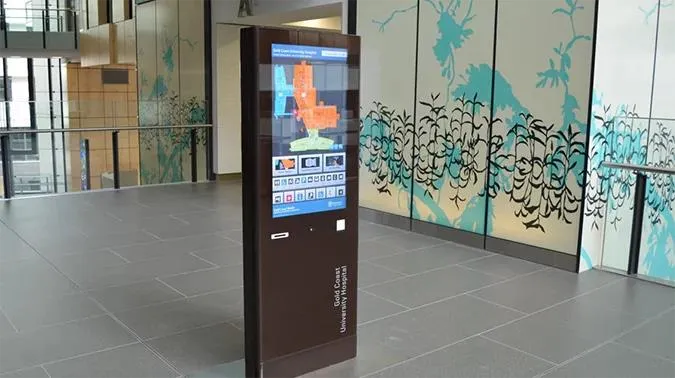
Wayfinding and information systems prioritise clarity above everything else. People need to find things fast. Different hardware requirements. Different content approaches.
Internal communications networks serve employees, not customers. They need integration with existing business systems. User-friendly content updates that don't require IT support for every change.
Revenue generation through advertising requires robust reporting capabilities, flexible scheduling systems, hardware maintaining consistent performance under continuous operation.
Mixed-purpose networks face complexity challenges that single-purpose systems avoid, making clear objective definition critical.
Without clear objectives, networks become compromise solutions excelling at nothing while costing more than focused alternatives.
Digital signage hardware selection extends beyond screen size and resolution to environmental factors, operational requirements, long-term reliability needs.
Commercial-grade displays aren't just bigger consumer TVs. They run longer hours. Survive harsher environments. Come with warranties that actually matter. Total cost of ownership tells the real story.
Brightness needs separate the amateurs from the professionals. Indoor displays get away with 300-500 nits. Outdoor? You need 2,500+ nits or customers can't see anything in sunlight.
Critical hardware considerations:
→ Environmental protection - temperature ranges, humidity resistance, dust ingress ratings, vandal-resistant features
→ Mounting accessibility - installation costs, ongoing maintenance requirements
→ Media player specifications - content complexity handling, connectivity options, processing power
→ Power cooling infrastructure - electrical requirements increasing with display size and brightness
Hardware decisions during initial planning phases determine network capabilities and limitations for years.
Cost cutting on hardware results in higher long-term expenses through premature replacements, increased maintenance, operational limitations.
Content Management System (CMS) selection determines creation, scheduling, content maintenance ease across growing networks.
Cloud-based systems offer remote access, automatic updates, scalability advantages reducing IT overhead while enabling distributed content management.
User permission systems allow different team members updating content within defined parameters, enabling local customisation while maintaining brand consistency across locations.
Scheduling capabilities make or break network efficiency. Breakfast promotions at 2 PM? Useless. Seasonal campaigns that can't adapt to weather changes? Missed opportunities. Emergency override functions that fail when you need them most? Dangerous.
Integration options determine how much manual work you'll do forever. Connect to point-of-sale systems, inventory management, customer databases. Automate content updates. Reduce manual workload to zero.
Australian digital signage providers understand local business needs. They offer cloud-based platforms designed specifically for Australian conditions, with local support and data hosting that actually works.
Content strategy separates compelling networks from expensive digital wallpaper audiences ignore.
Visual hierarchy guides viewer attention through strategic colour, font, layout use communicating primary messages within 3-7 seconds viewing time.
Message scheduling aligns content with audience patterns, showing breakfast promotions during morning hours, switching to lunch specials without manual intervention.
Brand consistency maintains visual standards across all locations while allowing regional customisation for local events, pricing, promotional needs.
Essential content practices:
→ Text large enough for expected viewing distance reading
→ High-contrast colour combinations for maximum legibility
→ Limited information density preventing cognitive overload
→ Clear calls to action telling viewers what to do next
Installation quality determines whether your network works for years or fails within months.
Power infrastructure gets overlooked until circuits start overloading. Displays pull significant power. Add media players, networking equipment, cooling systems. Suddenly you're tripping breakers.
Network connectivity offers three paths: wired Ethernet for bulletproof reliability, Wi-Fi for installation flexibility, cellular connections for remote locations where traditional internet doesn't reach.
Environmental factors matter more than most people realise. Ambient light washes out screens. Viewing angles determine where people can actually see content. Potential obstructions block sight lines.
Security considerations extend beyond physical theft. Network access vulnerabilities let hackers change your content. Unauthorised content modifications damage reputations instantly.
Professional installers know Australian electrical standards inside out. They understand workplace safety requirements and local council regulations that can shut down projects overnight.
Ongoing monitoring and maintenance determine whether networks deliver promised value or become expensive burdens.
Uptime monitoring tracks display functionality, content delivery, network connectivity identifying problems before they affect audience experience.
Performance analytics separate successful networks from expensive failures. Track content effectiveness. Measure viewer engagement. Monitor system utilisation. Use data to guide future content and hardware decisions.
Preventive maintenance keeps small problems small. Regular cleaning prevents buildup. Component inspections catch failures early. Software updates prevent security breaches and compatibility issues.
Essential maintenance tasks include:
→ Screen cleaning and brightness calibration
→ Media player software updates and security patches
→ Network connectivity testing and optimisation
→ Content library organisation and archival
Effective digital signage networks require coordination between multiple technical and creative disciplines.
Our approach integrates hardware expertise with content strategy, ensuring every component works together achieving specific objectives.
Digital signage solutions include hardware sourcing, CMS integration, content creation, installation services delivering complete networks rather than individual components.
LED signage solutions provide high-impact displays for indoor and outdoor applications, brightness levels and weather resistance appropriate for Australian conditions.
Project management services coordinate all network deployment aspects, from initial planning through final testing and staff training.
Proven technology partnerships while maintaining independence allow solution recommendations based on needs rather than vendor relationships.
Effective digital signage networks generate measurable returns through increased sales, improved operational efficiency and enhanced customer experiences.
Retail networks can increase impulse purchases by 29.5% when properly implemented. Corporate communications networks reduce meeting costs, improve employee engagement metrics.
Success lies in systematic implementation considering every network operation aspect from day one.
Properly planned networks become self-funding investments paying for themselves through improved business performance.
Building a digital signage network that delivers real results requires more than just technology, it demands expertise in content, strategy, and execution.
At Outsource Resource, we bring decades of experience from across Australia from single-site installations to large-scale national network rollouts.
Partner with us to develop a systematic, results-driven network plan that delivers the communication capabilities your business needs.
Networks that work as hard as you do.
Get in touch today to explore how Outsource Resource can bring your digital signage vision to life.


Outsource Resource delivers complete signage solutions. From concept through to manufacture and installation, we handle everything. Backed by a guarantee of quality, compliance, and value at every stage of the project.