Before fabrication or permits, the most valuable work happens on site. A thorough survey replaces assumptions with facts: accurate measurements, safe fixing options and access needs. It also captures what drawings miss such as door swings and clearances, sightlines and after‑dark glare, power and data locations, drainage and shade patterns, and any heritage or planning overlays that affect approvals. These specifics become the baseline for drawings, engineering and procurement, so quantities are right and trades are booked once. With a solid survey, timelines tighten and installation goes to plan.
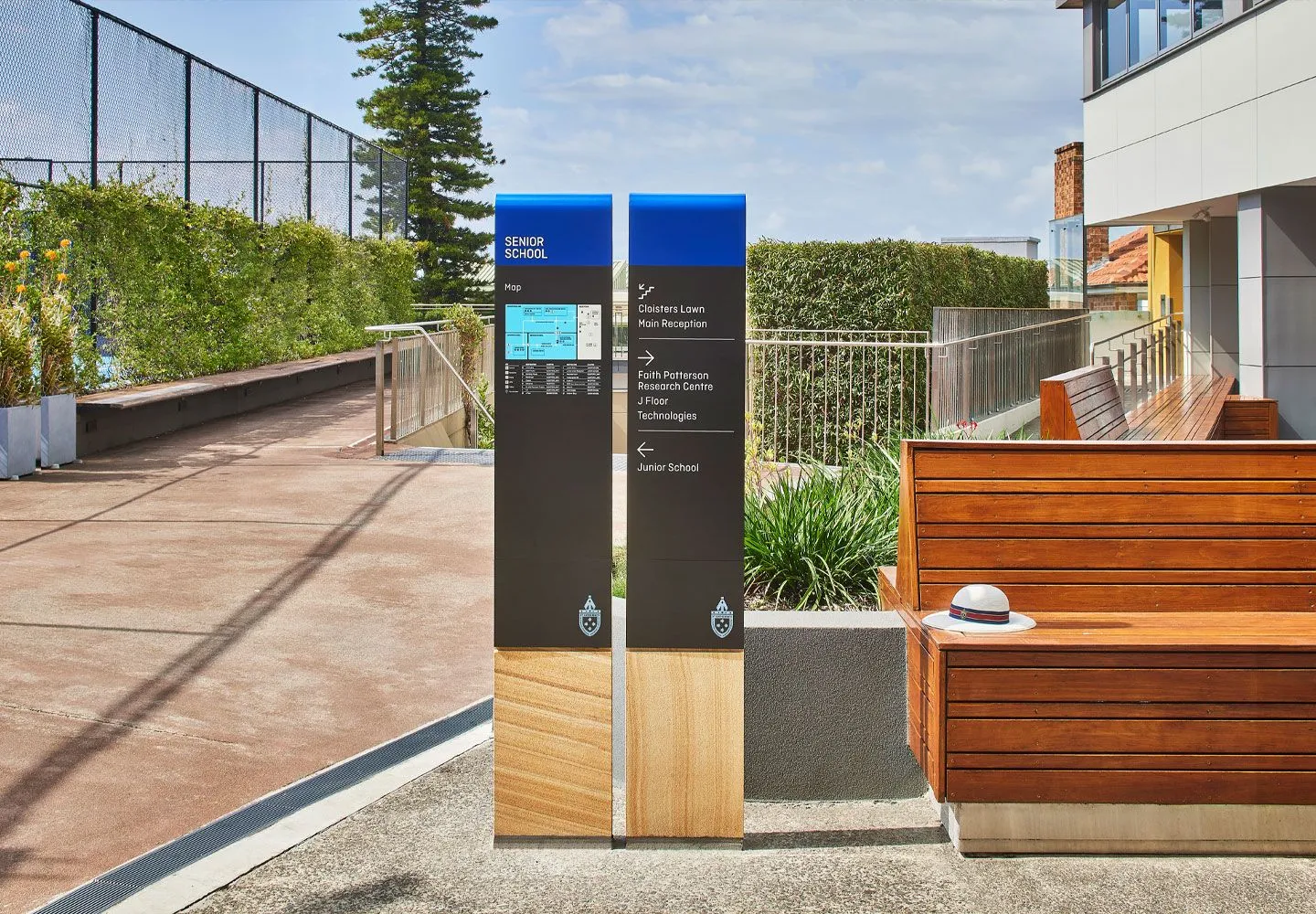
A good survey documents everything the project team will rely on later. That includes precise dimensions for façades and fixing centres, the structure behind cladding, and any obstructions that could affect placement. It also records power availability, cable paths, drainage and shade, sightlines from key approaches, and the microclimate at the location. Access is assessed for cranes and EWPs, safe exclusion zones are planned, and traffic or pedestrian management is identified where needed. Finally, compliance is checked against local rules and standards so placement heights, illumination levels and accessibility requirements are met from the start.
For scope and end‑to‑end delivery, see Signage & Project Management, where surveys sit alongside design documentation, engineering, compliance and installation.
Surveys reduce costly errors by replacing assumptions with verified conditions. Accurate measurements prevent mis‑sized panels and reprints, while confirmed fixings and structural checks avoid invasive rework on installation day. Early compliance checks head off redraws and rejected permits, and documented access limits with known power and data points allow installation sequences to be set in the right order so trades are booked once, not twice. The net effect is a cleaner timeline, fewer surprises, and signs that fit, perform and pass inspection on the first attempt.
Surveys also sharpen budgeting and risk planning. Quantified quantities and clear access notes produce realistic quotes, while time‑stamped photos and locations help asset owners approve works quickly. On busy sites such as hospitals, campuses and retail centres, survey insights shape after‑hours scheduling, temporary protection and safe public exclusion zones, so upgrades happen with minimal disruption.
Multi‑site programs demand the same approach in every state. Outsource Resource coordinates a trusted national partner network, calibrates surveys with shared checklists and photo protocols, and standardises outputs through an in‑house team. Each surveyor follows the same naming conventions, geo‑tagged photo sets and measurement tolerances, and every report passes central quality control before release. You receive comparable data across locations, one reporting format, and a clean handover from findings to drawings and installation. Portfolio summaries and regional rollups let head offices compare sites side by side, set priorities by risk and cost, and schedule work by state or contractor availability.
Survey information only helps when it is easy to use. Outsource Resource turns field notes and photos into plain‑English recommendations supported by annotated images, measured drawings and clear fixing details. Each pack opens with a short executive summary and a priority matrix, then links findings to photos, locations and recommended actions. Brand managers see what affects identity and placement, project managers see sequences, access needs and permit notes, and procurement teams see itemised quantities and standard part numbers ready for pricing.
New rollouts. Accurate surveys allow design packs and shop drawings to reflect reality, so artwork scales correctly, fixing centres align and permits are submitted once. Quantities are confirmed early, installation access is planned, and production and install crews work from the same baseline, which keeps national campaigns on schedule.
Wayfinding strategies. On campuses and in health or education precincts, surveys identify decision points, sightlines and accessibility constraints. These insights shape sign families & scope of wayfinding signage, sizes and placement, and they uncover conflicts with planting, lighting or street furniture that would otherwise confuse users. The result is a network that guides people naturally.
Heritage upgrades. In sensitive contexts, surveys document materials, fixings and adjacent fabric in detail so designers can propose non‑invasive methods and reversible fixings. This supports respectful detailing, careful installation staging and smoother approvals with heritage officers.
Site surveys are the foundation of successful signage. If you are planning a rollout or upgrading legacy assets, engage Outsource Resource to scope and deliver surveys that provide clarity, accuracy and peace of mind before fabrication begins.
Share your sites, timeline and goals. We will coordinate nationwide surveys, turn the findings into practical recommendations with signage consultation, and prepare your team for a smooth approval and installation phase.
Request a site survey with Outsource Resource and start your project with facts, not assumptions.
Get in touch today to explore how Outsource Resource can bring your digital signage vision to life.


Outsource Resource delivers complete signage solutions. From concept through to manufacture and installation, we handle everything. Backed by a guarantee of quality, compliance, and value at every stage of the project.