Public art changes how people feel about a place. A plaza that once felt like a shortcut becomes a destination. A blank wall becomes a story people stop to read. When art meets good urban design, spaces stop being anonymous and start becoming part of daily life.
Yet beauty on its own is not the brief. Public art works when it improves movement, anchors identity, and gives people reasons to stay. It also needs to be practical, durable, and respectful of the community that will live with it. This article shows how art delivers all three, with examples, design principles, and a clear path to delivery.
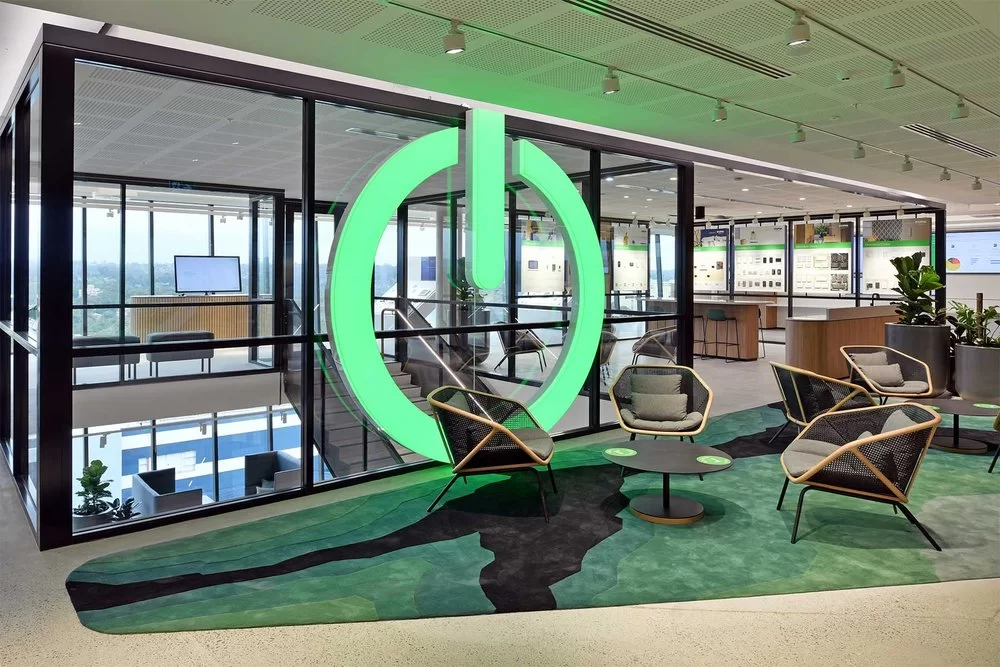
Public art is any creative work set in people’s everyday path. Picture a sculpture anchoring a square, a mural carrying colour along a laneway, light stitched across a bridge, a walk-through piece in a park, or a digital screen at a busy transport hub. Unlike gallery works, these pieces are tested in daily use, withstanding sun and rain, peak hour and quiet mornings alike.
At its best, public art does three things. It lifts visual quality and turns routine trips into memorable experiences. It strengthens local identity by reflecting culture, history, and hopes. It creates landmarks that help people orient themselves and meet each other. When councils and developers include art early in a project, they are not decorating. They are shaping how people use and remember a place.
Good public art behaves like smart infrastructure. It creates focal points that organise space and guide movement. A well-sited piece gives the eye somewhere to land, the feet a reason to pause, and the mind a cue to understand where it is.
Consider a civic square. A strong central sculpture shapes how people cross the space, where they gather, and how events are staged. In a precinct entry, a tall vertical piece can mark the threshold and help with wayfinding. Along a long façade, a mural can break visual monotony, slow pedestrians, and create rhythm that keeps people engaged.
Art also solves practical problems. It can screen utility areas without resorting to blank hoarding. It can provide perceived safety with gentle lighting and activity. It can signal cultural significance at sensitive sites and help tell difficult stories with dignity.
Different media bring different benefits. The key is matching the medium to the site, the audience, and the behaviour you want.
Sculptures act as anchors. They are visible at distance, work from multiple approaches, and make strong meeting points. In parks and plazas, they create a centre of gravity that encourages dwell time. People take photos, sit nearby, and use the piece as a reference when giving directions.
Murals turn pass-by spaces into destinations. They work best where walls dominate the streetscape or where laneways need warmth and character. A good mural program encourages repeat visitation as works change over time. Businesses benefit as people linger for photos, coffee, and conversation.
Interactive installations invite participation. These pieces might respond to touch, motion, or sound. They are powerful in family areas, waterfronts, campus greens, and cultural precincts where longer stays are desired. Interactivity builds emotional memory and prompts repeat visits, particularly when pieces evolve across seasons.
Digital and light-based works extend the day and support programming. Content can adapt to events, cultural calendars, and community campaigns. Properly specified screens with led signage and lighting create vibrancy without glare or clutter, provided power, data, and maintenance are planned from the outset.
Chicago’s reflective ‘Cloud Gate’ does more than attract photos. Stand anywhere on the plaza and it acts as a calm landmark, drawing you toward the centre of the park. Its mirror‑polished surface folds the skyline, the lake light, and the movement of the crowd into one shifting picture, so the work reads differently at bright noon, after rain, or under evening lights. That constant change is why locals return with visiting friends, why children reach up to touch the steel, and why visitors slow down, try one more angle for a photo, and make time for the cafés nearby.
In Melbourne, curated laneway murals have turned former service corridors such as Hosier Lane into open‑air galleries that reward unhurried walking. Colour leads the way, music from buskers adds a layer of theatre, and small cafés benefit as people pause for a drink, compare favourite walls, and drift into side streets they might have missed. The cycle of new works keeps the experience fresh, so the area feels alive on a weekday morning and on a busy Saturday alike.
Brisbane’s South Bank treats art and landscape as a single walkable trail. Follow the river and you meet sculptures, light works and small surprises at steady intervals along promenades, lawns and bridges, so the precinct reads like a quiet treasure hunt. Families find play spaces that double as art, and office workers settle into shaded seats beside a familiar piece. As the sun drops and the lights come on, the mood shifts and the same forms feel new, which keeps people around a little longer.
These examples succeed because they respect context, invite interaction, and are cared for. They were planned with operations in mind, not added at the end. That is the difference between a one-off statue and a place-making strategy.
Public art must look right and live long. Outsource Resource brings the delivery discipline of signage, wayfinding signage, and digital installations to public art projects. That means a practical focus on engineering, durability, compliance, and coordination across many suppliers.
If you are planning a new square, renewing a park, or shaping a corporate precinct, now is the time to consider art as part of your core infrastructure. Outsource Resource helps councils, developers, and architects deliver weather-resistant, customised, and culturally respectful installations that communities embrace.
Let’s talk about a site that matters to you. Share your brief, your timeline, and the behaviour you want to see. We will propose practical options, connect the right makers, and manage delivery so the final piece looks right, works well, and lasts.
Book a consultation with Outsource Resource to discuss your site, timeline, and budget.
Get in touch today to explore how Outsource Resource can bring your digital signage vision to life.


Outsource Resource delivers complete signage solutions. From concept through to manufacture and installation, we handle everything. Backed by a guarantee of quality, compliance, and value at every stage of the project.