public art structures

Public Art Solutions for Councils, Businesses and Cultural Groups

Public art brings communities to life, turning everyday spaces into meaningful landmarks. Whether commissioned by local councils, businesses, or cultural groups, public artworks enhance city squares, parks, museums, and corporate precincts, fostering connection, creativity, and identity.

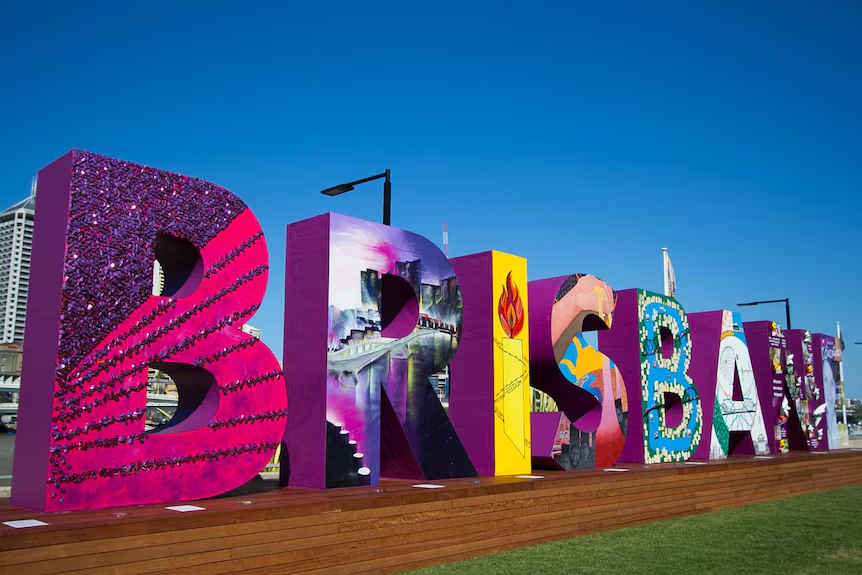
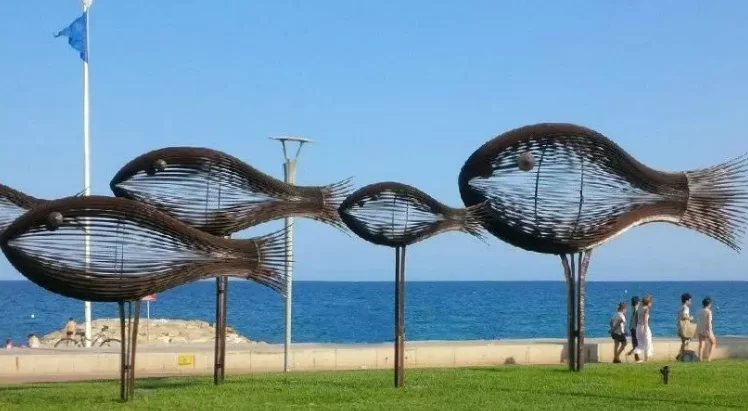
From sculptures and monuments to decorative installations and functional street furniture, these works offer aesthetic impact, storytelling, and social engagement, shaping how people experience their surroundings.

Tailored Solutions

Public Art & Structures Signs
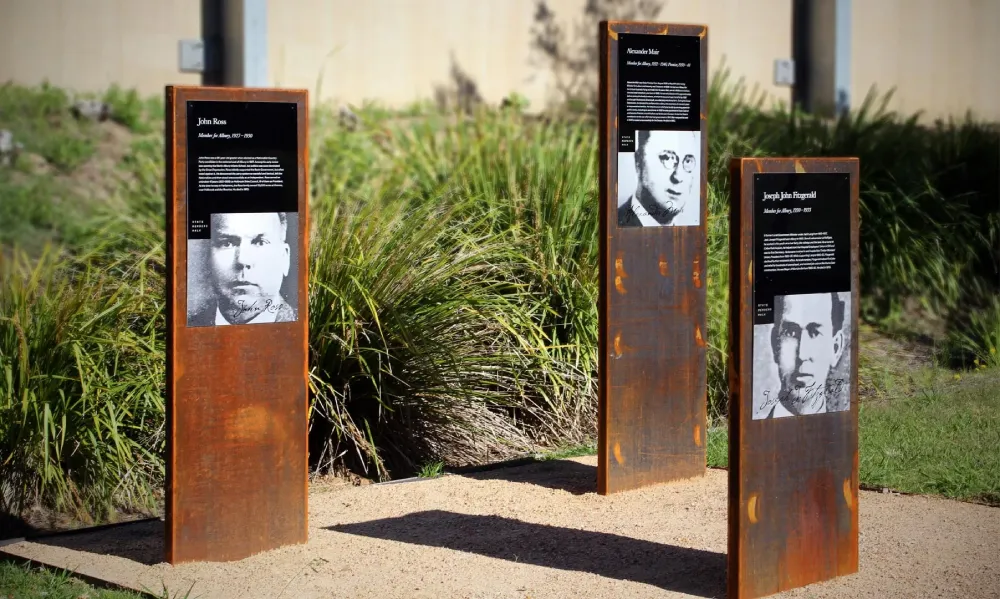
Public Art Albury Council Big Agency

What We Deliver

Built for Longevity: Weather-resistant materials, graffiti-proof coatings, and impact-resistant structures ensure durability in public spaces.
Seamless Integration: Designs complement city architecture, landscapes, and modern infrastructure, ensuring harmony with their surroundings.
Customisation & Craftsmanship: Unique, tailored solutions that blend aesthetics with engineering precision for high-impact installations.
Public Art as Cultural Storytelling: Bringing meaningful artistic expressions into cities, reinforcing historical narratives, community identity, and modern urban culture.

Let’s get started

Whether you’re looking for a signage solution or a way to expand your business through our partnership network, we’re here to help. Contact us today and let Outsource Resource show you a new, smarter and more efficient way to do signage.

icon
Get in Touch

Frequently Asked Questions

We support the delivery of a wide range of public art and structural installations, working closely with artists, councils, and project teams to translate creative concepts into buildable outcomes.

Projects may include sculptures, monuments, memorials, architectural features, and functional public elements such as seating, shelters, or street furniture that also serve as artistic statements. Public art structures can also incorporate interpretive signage, wayfinding elements, or informational displays that complement the artwork and enhance public engagement.

From small-scale courtyard installations to prominent civic landmarks, each project is shaped by the artistic vision, site context, community expectations, and regulatory requirements. We focus on matching each project with fabricators who understand both creative intent and technical delivery.
Yes. Large-scale public art structures are a key area of expertise within our supplier network.

These installations often involve substantial weight, complex geometry, and high public exposure, requiring detailed engineering, foundation design, and carefully planned installation methodologies. Fabrication is frequently undertaken in modular sections, with final assembly completed on site using cranes and specialised lifting equipment.

We coordinate structural assessments, logistics planning, traffic management, and installation sequencing to ensure large-scale artworks are installed safely and efficiently. Safety, durability, and public interaction are treated with the same rigour as any major civic structure.
Yes. Collaboration between artists, councils, and technical specialists is central to successful public art delivery.

Artists retain creative control throughout the fabrication process, with ongoing involvement to ensure the finished structure reflects the original design intent. At the same time, we coordinate technical inputs such as engineering, materials selection, constructability reviews, and installation planning.

On the approvals side, we assist with navigating council requirements, including permits, site constraints, public safety considerations, and long-term maintenance expectations. Experience working with multiple local authorities helps streamline documentation and keep projects moving through approval stages efficiently.
Material selection and fabrication methods are guided by site conditions, artistic intent, budget, and longevity requirements.

Common materials include stainless steel and weathering steel for outdoor durability, as well as bronze casting for detailed sculptural work. Stone, glass, timber, and composite materials may also be incorporated depending on the design concept.

Modern fabrication techniques such as laser cutting, CNC machining, robotic welding, and advanced forming methods allow complex shapes and precise detailing to be achieved efficiently. Mixed-media installations may also integrate lighting, electronic components, or interactive elements.

The focus is on selecting construction methods that respect the artwork while ensuring structural integrity, durability, and practical fabrication.
Ongoing maintenance is an important consideration for public art installations, particularly those exposed to weather, public interaction, or environmental conditions.

Maintenance requirements vary depending on materials, finishes, and complexity. Some structures may only require periodic cleaning, while others with painted surfaces, moving components, or electronic features may need scheduled inspections and servicing.

Maintenance planning can be incorporated during the project delivery phase, or specialist providers can be recommended for long-term care. Detailed records of materials, finishes, and fabrication techniques are retained to support future maintenance, repairs, or conservation work.

By considering maintenance early, public art structures can retain their visual impact, safety, and integrity for many years within the public realm.
© 2026 Outsource Resource | Sitemap | SEO By Digital Marketing Agency Xugar | Site Hosted by Thrive